Some links on this page are affiliate links. If you buy through them we may earn a commission at no extra cost to you. How we make money.
The Hertzko Self Cleaning Slicker Brush is our top pick for most owners, especially those with medium or long coats that tangle. If your cat has a short coat or hates brushes, the KONG Cat Zoom Groom or a grooming glove is the gentler starting point.
Key takeaways
- The best cat brush depends mainly on coat type: rubber tools for short coats, slickers and combs for longer ones, deshedding tools for heavy undercoat.
- Use light pressure with any brush, especially slickers and deshedding tools, and never brush through mats.
- Start with short, calm sessions and reward your cat so brushing becomes a positive routine.
- Many homes do best with two tools: a gentle one the cat loves and a more thorough one for weekly sessions.
- Check skin while brushing, and see a veterinarian about lumps, sores, bald patches or sudden coat changes.
A good brush does more than control the fur on your sofa. Regular brushing lifts loose hair before your cat swallows it, which can mean fewer hairballs. It also spreads skin oils, prevents painful mats, and lets you spot lumps, scabs, fleas or sore spots early. It is also one of the easiest ways to build trust with a cat.
The catch is that no single tool suits every coat. A slicker brush that is perfect for a Ragdoll can feel scratchy on a sleek shorthair, and a rubber mitt will barely touch a tangled Persian.
We chose the products below through research, not hands-on testing. Our criteria were coat-type fit, gentleness on skin, ease of cleaning, comfort for the person holding it, and how widely each product is used and recommended among cat owners and groomers. Use the picks and the buying guide together to match tool to coat.
Our top picks at a glance
| # | Product | Why we like it | |
|---|---|---|---|
| 1 | Hertzko Self Cleaning Slicker Brush Best Overall | A slicker brush with fine bent bristles and a button that retracts them, so hair slides off in one motion instead of being picked out by hand. | View |
| 2 | Safari Self-Cleaning Slicker Brush for Cats Best Slicker for Small Cats | Safari's slicker brush has a compact head that suits a cat's smaller frame and is easier to maneuver around legs, armpits and the base of the tail. | View |
| 3 | FURminator deShedding Tool for Cats Best for Heavy Shedders | This deshedding tool uses a fine-toothed edge to pull loose undercoat that ordinary brushes tend to miss. | View |
| 4 | KONG Cat Zoom Groom Best for Short Coats and Nervous Cats | A soft rubber brush with flexible nubs that works like a massage, lifting loose hair from short and smooth coats. | View |
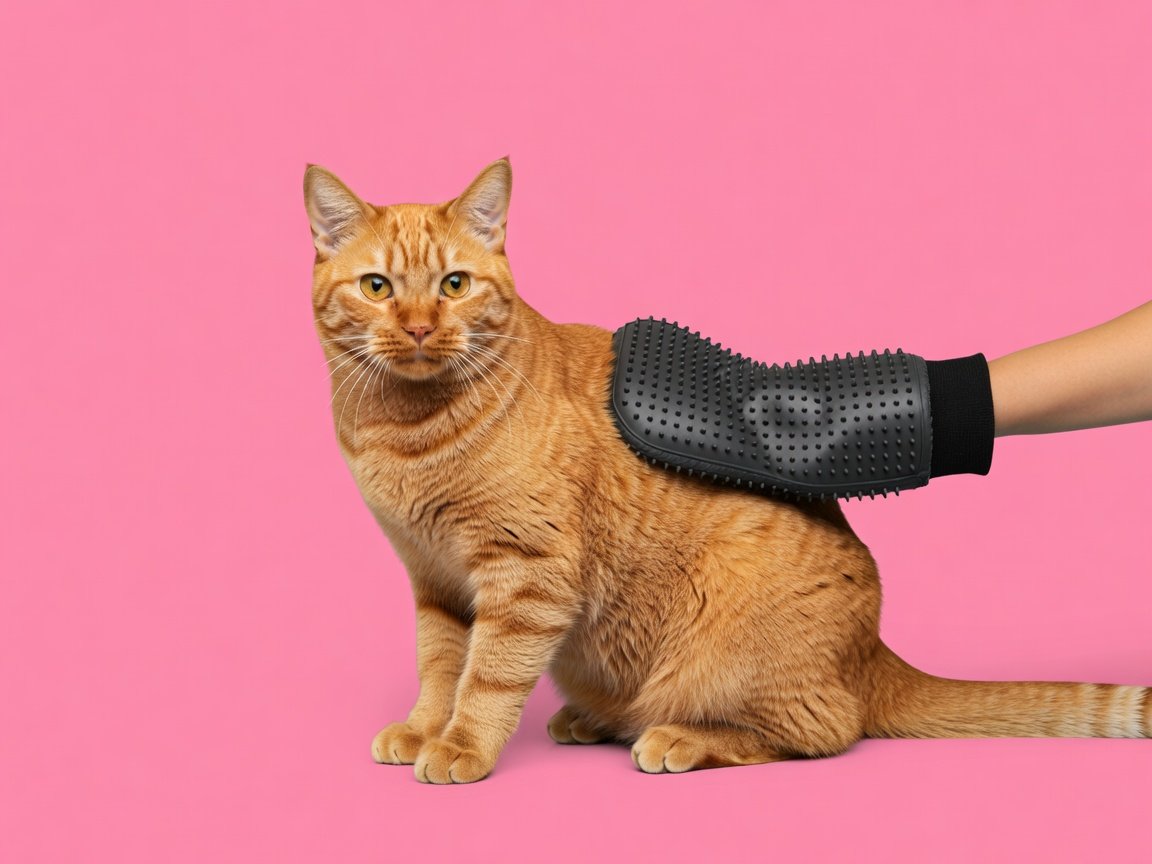
| 5 | HandsOn Grooming Gloves Best Glove for Cats Who Hate Brushes | These gloves have textured nubs on both the palm and fingers, so you groom while stroking in a way your cat already recognizes. | View |
| 6 | Hartz Groomer's Best Combo Brush Best Budget Dual-Sided Brush | A two-sided brush with pins on one side and bristles on the other, which lets you detangle lightly and then smooth and finish the coat. | View |
Product reviews
Hertzko Self Cleaning Slicker Brush
Best OverallA slicker brush with fine bent bristles and a button that retracts them, so hair slides off in one motion instead of being picked out by hand. It works well on medium and long coats that tangle, and on thick undercoats during seasonal shedding. Because slicker bristles are firm, use light pressure and short strokes. It suits cats who tolerate brushing and owners who want quick cleanup between sessions.
PROS
- Self-cleaning button saves time
- Reaches into thicker fur and light tangles
- Comfortable handle for longer sessions
CONS
- Too firm for some sensitive or thin-skinned cats
- Needs a light touch to avoid skin irritation
Safari Self-Cleaning Slicker Brush for Cats
Best Slicker for Small CatsSafari's slicker brush has a compact head that suits a cat's smaller frame and is easier to maneuver around legs, armpits and the base of the tail. The self-cleaning mechanism lets you release collected fur quickly. It is a sensible pick for cats with fine to medium coats and for owners who find larger brush heads awkward. Like all slickers, it is best used gently and kept away from bony areas.
PROS
- Compact head is easier to control on small cats
- Retractable bristles simplify cleanup
- Good for fluffy and semi-long coats
CONS
- Not a replacement for a comb on serious mats
- Can feel scratchy if pressed too hard
FURminator deShedding Tool for Cats
Best for Heavy SheddersThis deshedding tool uses a fine-toothed edge to pull loose undercoat that ordinary brushes tend to miss. It comes in versions for short-hair and long-hair cats, so choose the one that matches your cat's coat and size. It is popular with owners of heavy seasonal shedders. Use it sparingly, with light strokes, because over-brushing can irritate skin. It should not be used on matted fur.
PROS
- Targets loose undercoat effectively
- Coat-length and size options available
- Ejector button helps clear hair
CONS
- Easy to overuse and irritate skin
- Not for mats or very sensitive cats
KONG Cat Zoom Groom
Best for Short Coats and Nervous CatsA soft rubber brush with flexible nubs that works like a massage, lifting loose hair from short and smooth coats. Many cats treat it as petting rather than grooming, which makes it a good first brush for kittens, seniors and anxious cats. It is simple to rinse clean. It will not work through long or tangled fur, so think of it as a gentle maintenance tool.
PROS
- Soft and cat-friendly, feels like petting
- Easy to rinse and dry
- Good for introducing brushing
CONS
- Not effective on long, thick or matted coats
- Removes less undercoat than a deshedding tool
HandsOn Grooming Gloves
Best Glove for Cats Who Hate BrushesThese gloves have textured nubs on both the palm and fingers, so you groom while stroking in a way your cat already recognizes. They suit short and medium coats and cats who walk away from a brush handle. They can also be used with a damp touch for pet hair on fabric, and you can wash them. Choose the right size for your hand, and expect light surface shedding control rather than deep undercoat removal.
PROS
- Feels like petting, so cats often accept it
- Covers a lot of area quickly
- Washable
CONS
- Less effective on thick undercoat or tangles
- Sizing matters for a comfortable fit
Hartz Groomer's Best Combo Brush
Best Budget Dual-Sided BrushA two-sided brush with pins on one side and bristles on the other, which lets you detangle lightly and then smooth and finish the coat. It is an affordable, versatile choice for households with a mix of coats or owners who want one basic tool. The pin side suits longer fur, while the bristle side polishes shorter coats. It is not built for serious mats or heavy undercoat removal.
PROS
- Two brushing styles in one tool
- Budget-friendly and easy to find
- Good for routine maintenance
CONS
- Does not remove much undercoat
- Hair must be cleaned from the brush by hand
How to choose the best cat brush for your cat's coat
Start with the coat, not the brush. The right tool depends on hair length, density and how easily the fur tangles.
Short, smooth coats
Cats like a domestic shorthair or Siamese rarely mat, so you mainly want to lift loose hair and keep skin oils moving. A rubber brush, grooming glove or soft bristle brush is usually enough. A deshedding tool can help during heavy shedding seasons, but it is rarely needed weekly.
Short, dense or double coats
Breeds like the British Shorthair have a plush coat with a thick undercoat. A slicker brush or a deshedding tool, used gently, reaches deeper than a rubber mitt. Finish with a rubber brush or glove to collect what is left.
Medium and long coats
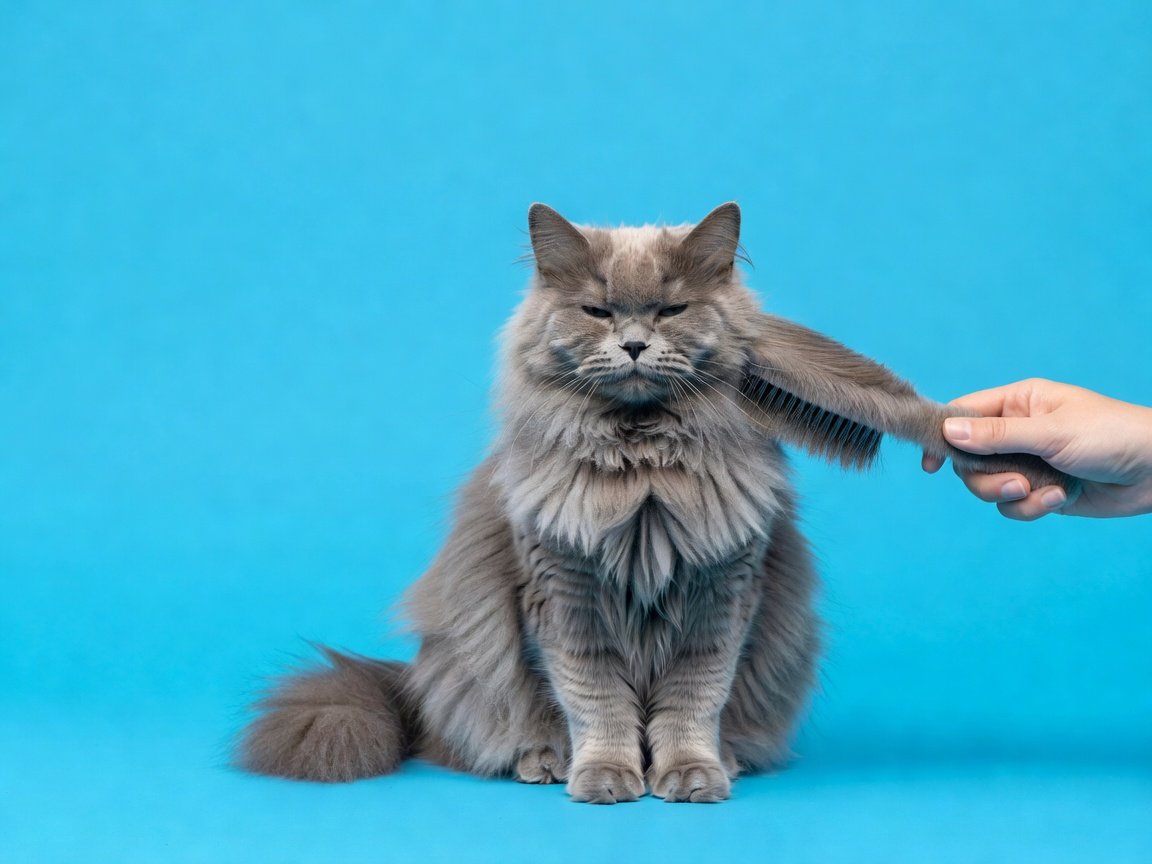
Maine Coons, Ragdolls, Persians and many long-haired mixes need a slicker brush or a pin brush, plus a wide-and-fine-toothed metal comb to check for tangles. Pay special attention to the armpits, behind the ears, the belly, the britches and the base of the tail, where mats form first.
Hairless and very fine coats
A Sphynx has little hair to brush but still needs skin care. Ask your veterinarian what is appropriate, since bathing and wiping routines differ from regular coat care.
Consider the cat, not just the coat
A senior cat with thin skin and sore joints may prefer a soft glove. A kitten is best introduced to a rubber brush. A cat who is already nervous may need shorter sessions regardless of the tool. If you are unsure, begin with the softest option and move up only if it fails to remove enough hair.
Slicker, bristle, rubber, glove and deshedding tools compared
Each brush type solves a different problem, and many owners end up using two of them.
Slicker brushes
Fine, bent wire bristles on a flat head. They work well for medium and long coats and can ease out light tangles. The downside is that bristles can scratch skin if you press down, so keep the strokes light and avoid bony spots.
Bristle brushes
Soft natural or synthetic bristles that smooth the coat and distribute oils. They are gentle and good for short coats or for finishing after a slicker. They are less effective at removing a thick undercoat.
Pin brushes and combo brushes
Rounded pins separate longer fur without digging deep. A dual-sided combo brush gives you pins and bristles in one tool, which suits mixed households.
Rubber brushes and mitts
Flexible nubs gently pull loose hair from short coats and feel like a massage. They are ideal for kittens, seniors and cats who dislike traditional brushes.
Grooming gloves
A glove is a rubber brush you wear. It is easy to introduce because it feels like petting, though it handles only light shedding.
Deshedding tools
A fine-toothed edge that pulls loose undercoat. These can substantially reduce shedding in heavy shedders, but overuse can irritate skin, and they should not be used over mats.
Metal combs
A comb is not a brush, but it is the best way to check whether your brush has reached the skin. If the comb snags near the base of the coat, there is a tangle you have not yet worked out.
A simple, practical combination for many homes is one gentle tool the cat loves, such as a glove, plus one more thorough tool for weekly sessions, such as a slicker or a comb.
Common cat brushing mistakes to avoid
Most brushing problems come from technique and timing, not from the cat being difficult.
- Pressing too hard. Slickers and deshedding tools should glide, not dig. If your cat flinches, skin may be irritated. Lighten up or switch to a softer tool.
- Brushing only the back. Cats often tolerate the back and hate the belly, but mats form in friction areas such as armpits, behind the ears and along the britches. Work up to those spots gradually.
- Brushing through a mat. Pulling a brush through a tangle hurts and can pinch skin. Hold the base of the clump near the skin, tease it with a comb, and if it is tight or close to the skin, ask a groomer or veterinarian for help. Do not cut mats with scissors, since feline skin is thin and easily nicked.
- Overusing a deshedding tool. More strokes do not equal better results. Too much can thin the coat or irritate skin. Follow the product instructions and stop at the first sign of redness.
- Starting a long session. A cat who is forced through 15 minutes on day one may refuse the brush forever. Begin with one or two minutes and end while your cat is still calm.
- Ignoring skin changes. Redness, scabs, bald patches, constant scratching or lumps found while brushing deserve a veterinary visit. Do not assume it is dry skin.
- Skipping brush maintenance. Hair-clogged brushes work poorly. Clean after each session and wash occasionally with mild soap.
One more point: if your cat suddenly stops grooming or develops a greasy, matted coat, especially if older or overweight, mention it to your veterinarian. Pain or illness can stop a cat from keeping up with self-care.
Tips for making brushing a calm routine
A few small habits make brushing easier for both of you.
- Pick a relaxed moment. After a meal or a play session, when your cat is sleepy, is usually better than when the cat is energetic.
- Let your cat inspect the tool. Leave the brush near a favorite spot, let your cat sniff it, and offer a treat for calm behavior.
- Begin where your cat likes touch. Cheeks, chin and the back are often safe starting points. Gradually move toward the sides and then the harder areas.
- Stroke in the direction of hair growth. Use short, light strokes. For long coats, work in small sections and hold the fur just above the skin to avoid pulling.
- Keep sessions short. Two to five minutes is plenty at first. End before your cat shows signs of annoyance such as a twitching tail, flattened ears or skin rippling.
- Reward consistently. A few treats or a favorite game afterward teaches your cat that brushing leads to something pleasant.
- Match frequency to the coat. Long-haired cats usually benefit from brushing most days or several times a week. Short-haired cats often do well with weekly sessions, with extra time during seasonal shedding.
- Check the whole body. Use brushing time to look at skin, ears, paws and teeth. Anything new, such as lumps, fleas or sores, is worth noting for your veterinarian.
If your cat truly cannot be brushed, or has dense mats, a professional groomer or veterinarian can help. Heavy matting sometimes requires sedation or clipping, which is safer than trying to fight an unwilling cat at home.
Frequently asked questions
What is the best brush for a short-haired cat?
A rubber brush or grooming glove is a good start, since both lift loose hair gently and feel like petting. A soft bristle brush can add shine. Use a deshedding tool only occasionally during heavy shedding, and always with light pressure.
How often should I brush my cat?
Long-haired cats generally benefit from brushing most days or at least several times a week to prevent mats. Short-haired cats often do well with once a week, more during seasonal shedding. Short, calm sessions are better than occasional long ones.
Are slicker brushes safe for cats?
They can be, if used gently. The fine bristles can scratch skin when pressed hard, so use light strokes and avoid bony areas. If your cat seems sore or the skin looks red, switch to a softer tool and ask your veterinarian.
Does brushing really reduce hairballs?
Brushing removes loose hair your cat would otherwise swallow while grooming, so it can help reduce hairballs. It is not a cure-all. Frequent vomiting, retching without producing anything, or appetite changes should be checked by a veterinarian.
What should I do about mats in my cat's fur?
Do not pull a brush through them or cut them with scissors, since cat skin is thin and easy to injure. Small, loose tangles may be teased apart with a comb. Tight or large mats are best handled by a groomer or veterinarian.