Some links on this page are affiliate links. If you buy through them we may earn a commission at no extra cost to you. How we make money.
The Best Friends by Sheri Calming Donut Cat Bed is our top pick for most cats, especially curlers who like a raised, cushioned rim. If your cat burrows, climbs, runs cold or has stiff joints, one of the specialty picks below will suit better.
Key takeaways
- Match the bed to your cat's sleeping style: cave for burrowers, bolster for curlers, flat orthopedic for sprawlers, perch for watchers.
- A bolster or donut bed is the safest first choice if you are unsure what your cat prefers.
- Use heated beds only as directed, with cords protected, and avoid them for very young kittens or chewers.
- Senior or stiff cats often do best with supportive foam and low entry, but changes in mobility deserve a vet visit.
- Placement, scent and size matter as much as the product, so put the bed where your cat already naps.
- Choose removable, washable covers and clean them regularly to keep the bed appealing.
Cats sleep roughly twelve to sixteen hours a day, so a bed is one of the most-used items in your home. A good one gives your cat a safe, warm, predictable place to recover, and it can keep them off your laundry, keyboard and sofa cushions.
The problem is that cats are picky, and the right bed depends on sleeping style. A burrower wants walls. A sprawler wants flat support. A senior with sore joints needs something easy to step into and well cushioned.
We built this guide through research, not hands-on testing. We compared well-known beds from established brands against practical criteria: how well the design suits a specific sleeping style, material and construction as described by the manufacturer, safety features (especially for heated products), ease of cleaning, and how widely each is recommended by cat owners and behavior-minded sources. Sizes and materials can change, so check the current listing before buying.
Our top picks at a glance
| # | Product | Why we like it | |
|---|---|---|---|
| 1 | Best Friends by Sheri The Original Calming Donut Cat and Dog Bed Best Overall (Bolster) | This round, plush bed has a raised rim that cats can curl against or rest their chin on, which suits the classic curler. | View |
| 2 | K&H Pet Products Thermo-Kitty Bed Best Heated Bed | This is a well-known self-regulating heated cat bed, designed to warm gently rather than get hot. | View |
| 3 | K&H Pet Products Kitty Sill Cat Window Perch Best Window Perch | The Kitty Sill is a padded shelf that sits against a windowsill, giving a cat a sunny lookout spot. | View |
| 4 | Furhaven Orthopedic Cat Bed (Sofa-Style or Bolster Orthopedic Design) Best Orthopedic Style | Furhaven offers a range of cat beds with orthopedic foam bases and plush covers, popular with owners of older or heavier cats. | View |
| 5 | Kitty City Large Cat Bed Cat Cube Best Cave-Style Hideaway | This collapsible cube-style hideaway offers walls and a roof, making it a good fit for burrowers and nervous cats who want to feel hidden. | View |
Product reviews
Best Friends by Sheri The Original Calming Donut Cat and Dog Bed
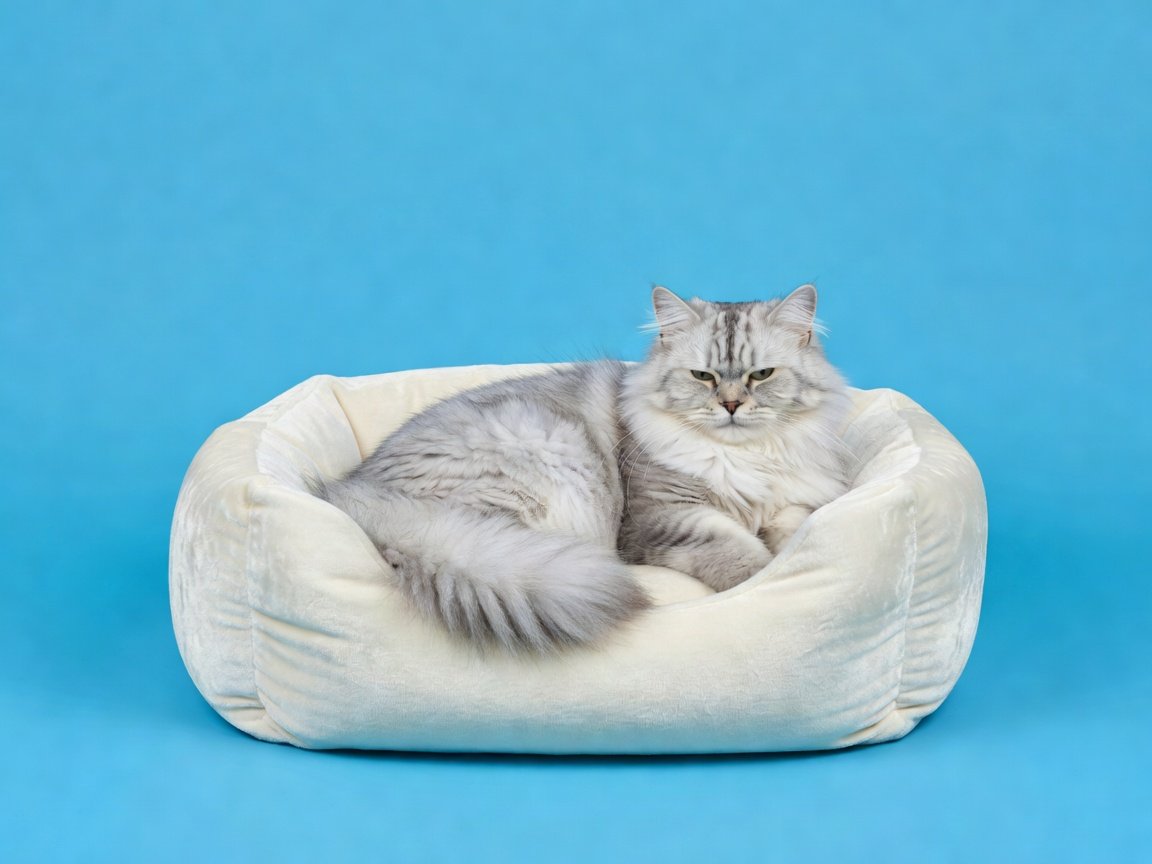
Best Overall (Bolster)This round, plush bed has a raised rim that cats can curl against or rest their chin on, which suits the classic curler. The deep center gives a sense of enclosure without a roof, so shy cats and confident cats can both use it. It is widely sold in several sizes and colors, and many versions are machine washable, though you should confirm care instructions on the current listing before buying.
PROS
- Raised bolster supports the head and back
- Open design suits most cats
- Often machine washable (check the listing)
- Available in several sizes
CONS
- Faux fur sheds and collects hair
- Not ideal for cats who want a full hideaway
K&H Pet Products Thermo-Kitty Bed
Best Heated BedThis is a well-known self-regulating heated cat bed, designed to warm gently rather than get hot. A heated option can appeal to seniors, thin-coated cats and cats in cool homes, and it often gets used more in winter. It plugs into a wall outlet, so placement and cord safety matter. Read the manufacturer's instructions and watch kittens or chewers closely before leaving it available unsupervised.
PROS
- Gentle warmth for cold rooms and older cats
- Helpful for thin-coated or low-energy cats
- Soft, cozy sleeping surface
CONS
- Needs a nearby outlet and cord management
- Not a good fit for cord chewers or young kittens
- Cover care varies, so check the listing
K&H Pet Products Kitty Sill Cat Window Perch
Best Window PerchThe Kitty Sill is a padded shelf that sits against a windowsill, giving a cat a sunny lookout spot. It suits observers who spend hours watching birds and street activity. Because it sits at the window, it also provides enrichment, which can reduce boredom for indoor cats. Check your sill depth and the weight guidance on the listing before ordering, and make sure the window itself is secure.
PROS
- Turns a windowsill into a lookout bed
- Great enrichment for indoor cats
- Sun-warmed spot with no cords
CONS
- Needs a compatible sill
- Less cozy in cold or drafty windows
- Not for cats who want enclosure
Furhaven Orthopedic Cat Bed (Sofa-Style or Bolster Orthopedic Design)
Best Orthopedic StyleFurhaven offers a range of cat beds with orthopedic foam bases and plush covers, popular with owners of older or heavier cats. A supportive base can help a cat settle comfortably, and a low entry makes it easier for stiff cats to step in. Foam type, cover and dimensions vary by model, so compare the specific listing and choose a size slightly larger than your cat stretched out.
PROS
- Supportive foam base suits seniors
- Low sides are easier to climb into
- Many sizes and cover options
CONS
- Models differ, so read specs carefully
- Foam can feel warm for some cats
- Not a replacement for veterinary care
Kitty City Large Cat Bed Cat Cube
Best Cave-Style HideawayThis collapsible cube-style hideaway offers walls and a roof, making it a good fit for burrowers and nervous cats who want to feel hidden. Many cats also enjoy peeking out of the openings. It can fold flat for storage, which helps in small homes. Check the current listing for dimensions and cushion details, and place it somewhere quiet where your cat already likes to nap.
PROS
- Enclosed space helps shy cats feel secure
- Folds flat for storage
- Works as both bed and hideout
CONS
- Less supportive for large or arthritic cats
- Cube structure may not suit every cat
- Cushion thickness varies by version
How to Choose the Best Cat Bed for Your Cat's Sleeping Style
Start with how your cat actually sleeps, not with what looks nice in your living room. Watch for two or three days. Where does your cat nap, and in what position? That pattern tells you more than any product description.
The burrower
If your cat disappears under blankets, into cardboard boxes or behind the sofa, choose a cave or cube-style bed. Walls and a roof make many cats feel safe, which matters most for shy, newly adopted or multi-cat-household cats who need an escape spot.
The curler
Cats who tuck into a tight circle often love a bolster or donut bed. The raised rim gives something to lean on, and the dip holds body warmth. This is the safest starting point if you are not sure.
The sprawler
Cats who stretch out flat on their side need room. Look for a large, flat, supportive mat or a low-sided orthopedic bed. A bed that is too small forces them to leave it.
The watcher
If your cat naps on windowsills or the back of the couch, a window perch matches their preference for height and a view.
The heat seeker or the senior
Cats who curl up near vents, laptops or sunny spots may enjoy a heated bed. Older cats and cats with stiff joints often do well with orthopedic foam and a low entry. If a previously agile cat starts avoiding jumps, limping or sleeping in odd places, mention it to your veterinarian rather than assuming it is just age.
A quick sizing rule
Measure your cat from nose to tail base while stretched out, then compare that to the interior dimensions on the listing. Most cats prefer a snug fit when curled, but they should be able to turn around easily. If you own more than one cat, buy more than one bed. Cats may share, but many prefer their own spot.
Heated, Orthopedic and Window Beds: What to Know Before You Buy
Specialty beds solve specific problems, but they also come with specific cautions.
Heated beds
Heated cat beds can help cats who seem to seek out warmth, including seniors and thin-coated breeds. Choose one designed for pets, ideally with a low-wattage, self-regulating design, and follow the manufacturer's instructions exactly.
- Keep cords out of reach or protected, and stop using the bed if your cat chews on it.
- Check the bed regularly for damage, and never use a frayed or damaged unit.
- Avoid heated products for very young kittens and cats who cannot easily move away from heat.
- Do not substitute a human heating pad, which is not designed for pets.
If a cat suddenly begins craving heat constantly, that can be a clue something is off, so it is worth mentioning at your next vet visit.
Orthopedic beds
Orthopedic beds use supportive foam rather than loose fluff that compresses flat. They are a sensible choice for older cats, heavier cats and cats who seem stiff after resting. Look for a low or cut-out entry so your cat does not need to climb. Remember that a bed cannot treat joint pain. If your cat is hesitating to jump, grooming less, or having litter box accidents, see a veterinarian.
Window perches
Window perches suit cats who love watching the outdoors. Check that the sill is deep and sturdy enough, and make sure the window is closed or has a secure screen. Sun-warmed perches can feel great, but cats can overheat in strong, direct sunlight on a hot day, so keep an eye on the placement.
Cave beds
Cave beds offer security, but make sure the opening is large enough for your cat to enter and exit without struggling. Very large or arthritic cats usually do better with an open bed.
Common Mistakes When Buying a Cat Bed
Most unused cat beds fail for the same few reasons. Avoid these and you will improve your odds a lot.
Buying for looks instead of function
A stylish bed that does not match your cat's sleeping style will sit empty. A cat who loves stretching out will ignore a deep, tight cave, and a burrower will skip a flat mat.
Going too small
Sizing a bed for a kitten leads to regret. Cats grow, and many adult cats need room to stretch. If you are between sizes, go slightly larger, particularly for orthopedic styles.
Putting the bed in the wrong place
Cats choose sleeping spots for safety, warmth and a view. A bed in an empty corner or a noisy hallway may be ignored. Place it where your cat already naps, or somewhere warm and quiet near the family but away from heavy foot traffic.
Ignoring materials and cleaning
Cats shed, drool and sometimes have accidents. A bed with a removable, washable cover is far easier to keep fresh. Dirty beds can also smell unappealing to cats, which may cause them to avoid it.
Replacing it too suddenly
A cat's old, flattened, hair-covered bed may smell like home. If you are replacing it, put the new bed next to the old one, or place a worn blanket inside the new one to transfer familiar scent.
Overlooking safety
Watch for loose stuffing, detachable pieces, strings or cords your cat could chew or swallow. If a cat swallows fabric or string, or shows repeated vomiting, a swollen belly or loss of appetite, contact a veterinarian right away. That can be an emergency.
Expecting instant love
Cats are suspicious of new things. Give them a few weeks before judging the bed a failure, and try a different location before giving up.
Tips to Get Your Cat to Actually Use the New Bed
Even the right bed sometimes needs a little help. These steps work with feline instincts instead of against them.
Make it smell familiar
Rub a clean sock or small towel your cat has slept on inside the bed. Familiar scent lowers the barrier to trying something new.
Use warmth and texture wisely
A folded fleece blanket can make a bed more appealing. In cool rooms, many cats gravitate toward warmer spots, so place the bed away from drafts and tile floors.
Reward without forcing
Toss a few treats near or inside the bed, and praise calmly when your cat investigates. Never push your cat into it. Forced interactions make a bed less appealing, not more.
Try catnip or silvervine
A light sprinkle may encourage a first visit. Use it sparingly, since some cats get overstimulated, and skip it if your cat reacts badly.
Rotate and wash on a schedule
Wash removable covers regularly using a fragrance-free detergent, following the care label. Strong scents can put cats off. Vacuum the base to remove hair and dander.
Offer options
Put two different bed styles in a favorite room, such as a bolster and a cave. Your cat will show you which one wins, and you will learn their preference for next time.
Watch the sleeping habits
Cats typically sleep deeply for long stretches, and resting breathing should look calm and easy. If you notice open-mouth breathing, labored breathing, or a persistently fast breathing rate while your cat is resting, treat it as an emergency and contact a veterinarian right away. Also mention gradual changes, such as sleeping far more than usual or avoiding the bed they once loved, at your next checkup.
Frequently asked questions
What is the best type of bed for most cats?
A bolster or donut-style bed is a safe starting point for most cats because it offers support and a sense of security without a roof. If your cat prefers hiding, choose a cave style. If your cat is older or stiff, an orthopedic bed with low sides may be better.
Are heated cat beds safe?
Heated beds designed for pets can be safe when used according to the manufacturer's instructions. Choose a low-wattage, self-regulating model, keep cords protected, and stop using it if your cat chews the cord. Avoid heated products for very young kittens, and ask your vet if you are unsure.
Why does my cat ignore the expensive bed I bought?
Cats choose spots based on scent, safety, temperature and location. The bed may be in the wrong place, the wrong size or the wrong style for how your cat sleeps. Try moving it to a favorite napping area and adding a worn blanket for familiar scent.
How often should I wash a cat bed?
Many owners wash removable covers every week or two, and more often if the cat sheds heavily, has accidents or goes outdoors. Follow the care label and use a fragrance-free detergent. Vacuum the base between washes to remove hair and dander.
Do senior cats need a special bed?
Not always, but many older cats benefit from supportive, low-entry beds that are easy to step into, especially if they seem stiff. Warmth can also help comfort. If your senior cat is limping, jumping less or seems painful, schedule a vet visit for a proper assessment.