Some links on this page are affiliate links. If you buy through them we may earn a commission at no extra cost to you. How we make money.
The best cat breeds for apartments are generally calm, moderately sized and not overly vocal, such as the Ragdoll, British Shorthair, Russian Blue, Birman and Exotic Shorthair. Active breeds like Siamese or Bengals can adapt too, but only if you commit to daily play and vertical space.
Key takeaways
- The best apartment cats are usually calm, moderately sized and not very vocal, such as Ragdolls, British Shorthairs, Russian Blues, Birmans and Exotic Shorthairs.
- Active breeds like Siamese, Abyssinians and Bengals can work in apartments, but only with daily play, vertical space and tolerant neighbors.
- Individual temperament matters more than breed, so consider adult shelter cats whose personalities are already known.
- Vertical space, window perches, puzzle feeders and scheduled play sessions let a small apartment feel rich and stimulating.
- Daily scooping, a suitable litter and quick cleanup of accidents keep odor under control, and urinary straining is an emergency that needs a vet right away.
Apartment living suits cats better than most people expect. Cats do not need a yard, and many are happy with a sunny window and a reliable routine. What matters is the match between a cat's temperament and your space.
A mellow lap cat can be perfectly content in 500 square feet. A high-energy climber who yells at 5 a.m. may make your neighbors (and you) miserable.
This guide covers the breeds that tend to fit apartments well, the ones that can work with extra effort, and the enrichment and odor-control habits that make small spaces comfortable for everyone.
What Actually Makes a Cat Good for Apartment Living
Before looking at breeds, it helps to know which traits matter most in a small home. Breed gives you tendencies, not guarantees, but these are the factors worth weighing.
Energy level
A cat with moderate energy can burn off steam in two or three play sessions a day. A very high-energy cat may bounce off the walls, shred furniture and wake you at dawn if their needs go unmet.
Vocal tendencies
Thin apartment walls make noise a real issue. Some breeds chat constantly, while others offer only a soft chirp. If you share walls with light sleepers, a quieter breed is a kinder choice.
Tolerance for being alone
Many apartment dwellers work outside the home. Independent, easygoing cats tend to handle a workday alone better than breeds known for intense attachment, which may develop boredom or distress when left for long stretches.
Size and grooming
A large, long-haired cat in a studio means more fur on the couch and a bigger litter box. That is manageable, but it should be a choice, not a surprise.
Adaptability to change
Apartments often mean hallway noise, delivery people, neighbors and possible moves. A cat who is relaxed and sociable usually copes better than a nervous one.
Don't overlook individual personality
Adult cats from shelters or rescues come with a known temperament, which is a real advantage. A two-year-old mixed-breed cat described by staff as calm and low-key may suit your apartment better than a purebred kitten of any breed. Kittens of every breed are energetic, and that energy is the biggest challenge in a small space.
Use the breed lists below as a starting point, then meet the actual cat. Ask about energy, noise and how they handle new people. A good match comes down to the individual, and a reputable breeder or rescue will gladly talk through it.
Calm Breeds That Settle Into Small Spaces
These breeds are commonly described as laid-back and adaptable, which is why they show up so often on apartment lists. Individual cats vary, but the tendencies are well established.
Ragdoll
Ragdolls are known for a relaxed, affectionate temperament and a tendency to follow their people from room to room. They are large and have semi-long coats, so expect regular brushing, but they are not usually destructive or loud.
British Shorthair
This sturdy, easygoing breed tends to be affectionate without being demanding. Many are content to lounge nearby rather than climb on you constantly. They can gain weight easily, so measured meals and play matter in a small space.
Russian Blue
Russian Blues are typically quiet, gentle and a bit reserved with strangers. They often form strong bonds with their household and like routine, which suits a predictable apartment schedule. Some may hide when guests visit.
Birman
Birmans are usually sweet, social and moderately playful. Their silky coats tend to mat less than some other long-haired breeds, though they still benefit from regular brushing.
Exotic Shorthair and Persian
The Exotic Shorthair is often called a short-haired Persian, with the same quiet, placid nature and less grooming. Both breeds have flat faces, which can bring breathing, eye and dental concerns, so talk to a veterinarian about what to expect.
Burmese
Burmese cats are people-oriented and playful but not typically as loud as some Oriental breeds. They do best with company, so think twice if you are away for long hours.
A note on Scottish Folds
Scottish Folds are often cited as calm apartment cats, but the folded-ear gene is linked to painful joint and cartilage problems. Many veterinary and welfare groups discourage breeding them. Consider other breeds.
Active and Chatty Breeds: Great Apartment Cats With Conditions
Energetic breeds are not automatically bad for apartments. Many do fine as long as you meet their needs. The key is being honest about how much time and effort you can give.
Siamese and Oriental types
Siamese cats are intelligent, social and famously vocal. They can be wonderful companions if you are home often and enjoy conversation. They are a risky choice if you work long days or live next to someone who is sensitive to noise. A second cat can help, though it is not a guarantee.
Devon Rex and Cornish Rex
Rex cats are playful, people-focused and love to perch on shoulders. Their short, wavy coats shed lightly, but they are not truly hypoallergenic. They are also climbers, so they need tall vertical space and daily interactive play.
Abyssinian
Abyssinians are athletic, curious and always investigating. In an apartment, that means a cat who will open cabinets and conquer bookshelves. They suit owners who like an active, entertaining cat and who will rotate toys and provide climbing routes.
Bengal
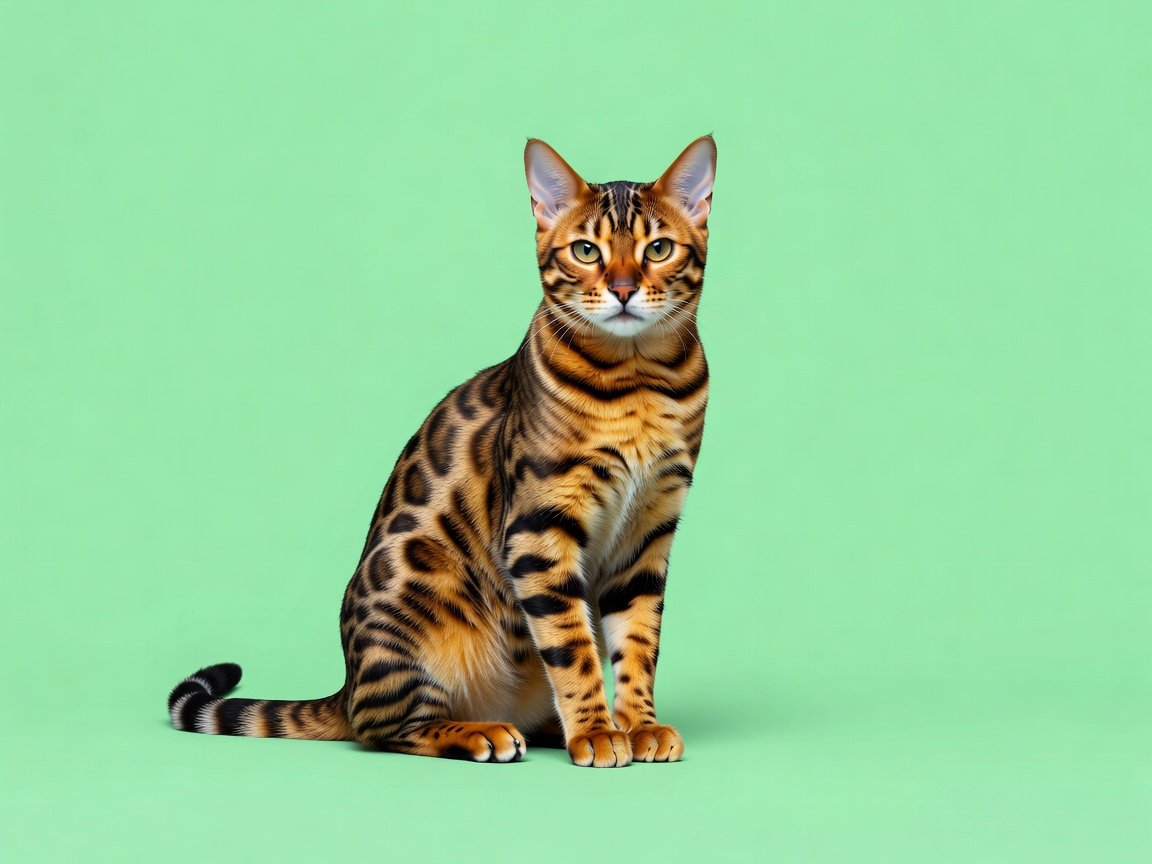
Bengals are strikingly beautiful and very energetic. They tend to need substantial daily activity, tall climbing structures and mental challenges like puzzle feeders. Without that, boredom can show up as destructive behavior. They are best for experienced owners with time to spare.
Maine Coon
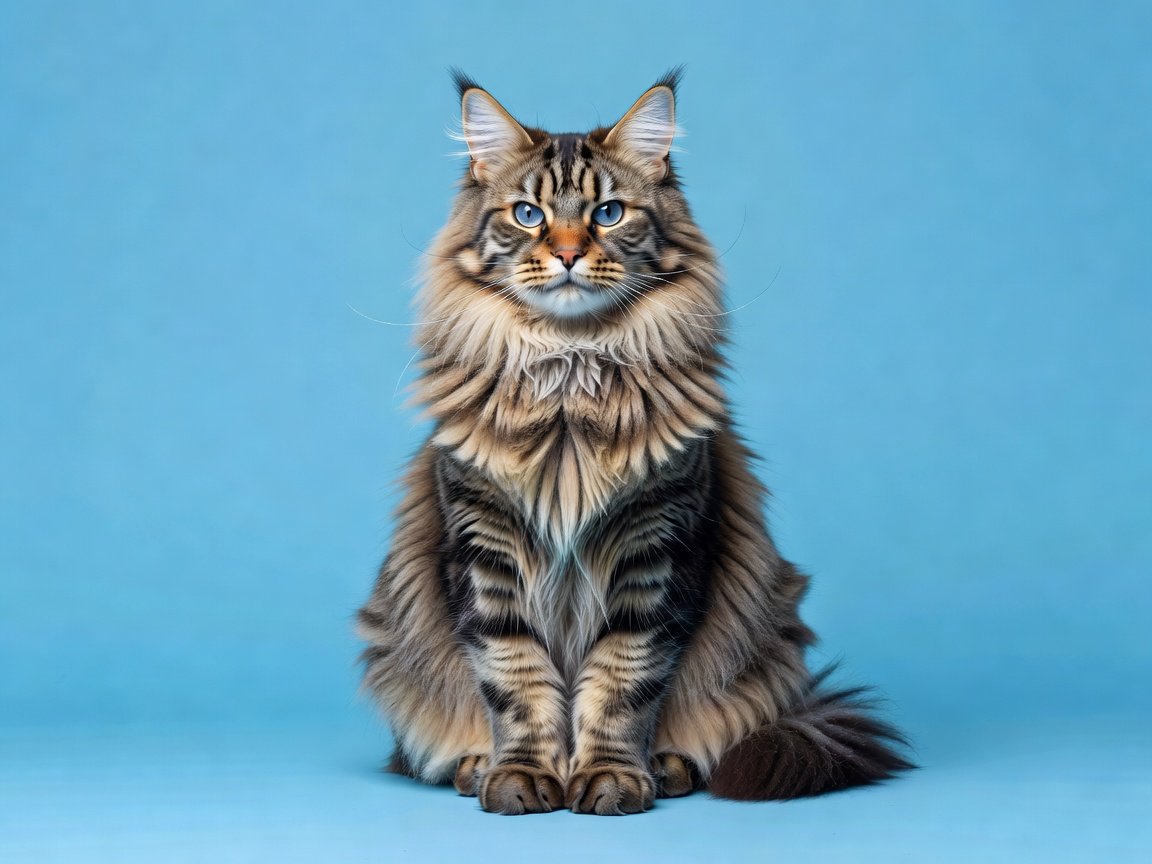
Maine Coons are large but generally gentle and sociable, often with a soft chirping voice rather than a loud meow. Their size is the main apartment challenge. They need a sturdy tree, a big litter box and room to stretch out.
How to decide
Ask yourself:
- Will I play actively with my cat for at least two sessions every day?
- Can I provide tall vertical space?
- Are my neighbors likely to tolerate a vocal cat?
- Is someone home for much of the day?
If you answer no to most of these, choose a calmer breed. If you answer yes, an active cat can be a delightful apartment companion.
Size, Noise, Shedding and Lease Realities
Beyond temperament, a few practical issues can make or break apartment life with a cat.
Noise and neighbors
Vocal breeds and zoomies at night can carry through walls and floors. Thick rugs, play sessions before bed and a final meal in the evening help burn energy and reduce nighttime racket. If your cat yowls persistently, especially an older cat, see a veterinarian, since pain, thyroid issues and cognitive changes can all be factors.
Shedding and allergies
All cats produce allergens, mostly from a protein in saliva and skin that spreads through fur and dander. No breed is truly hypoallergenic, though some people report fewer symptoms with certain breeds. If allergies matter, spend real time with the specific cat before committing. In a small apartment, air circulation, frequent vacuuming and washing bedding make a big difference.
Furniture and flooring
Long-haired breeds need brushing several times a week to prevent mats and reduce hair on furniture. Short-haired cats still shed, but a weekly brush is often enough. Offer a sturdy scratching post near where your cat already scratches, because declawing is not an acceptable shortcut and is banned or discouraged in many places.
Lease rules
Check your lease before you fall in love with a cat. Look for:
- Pet deposits or monthly pet rent
- Breed or weight restrictions (these mostly affect dogs, but some policies mention cats)
- Limits on the number of pets
- Cleaning requirements at move-out
Get permission in writing.
Planning for costs
Apartment budgets are often tight, and veterinary care adds up. Routine exams, vaccinations and unexpected illnesses are part of ownership. Options like pet insurance or a discount plan such as the Pet Assure Veterinary Discount Plan can help some owners plan, though you should read the terms and confirm that your preferred clinic participates before relying on it.
Enrichment Tips That Work in Small Spaces
Cats do not need square footage as much as they need things to do. Enrichment turns a small apartment into an interesting territory.
Go vertical
When floor space is limited, use walls. A tall, stable cat tree, wall-mounted shelves or a sturdy bookshelf with a clear path gives your cat climbing and perching options. Many cats feel safer and calmer when they can observe from above.
Create a window station
A window perch is one of the best investments for an indoor cat. Birds, squirrels and passersby provide hours of entertainment. Make sure screens are secure and windows are never open wide enough for a cat to slip out. High-rise balconies need full enclosure, since falls are a real risk.
Schedule real play
Aim for two or three short sessions a day with a wand toy, mimicking prey movement: darting, hiding, then slowing down. Let your cat catch the toy at the end, then offer a small meal or treat. This hunt, catch and eat sequence is especially satisfying for cats.
Make mealtime a puzzle
Puzzle feeders, treat balls or scattering a portion of kibble around the room turn eating into foraging. This is helpful for cats prone to boredom or weight gain.
Rotate toys
Keep a small stash hidden and swap in a few toys each week. Novelty keeps old toys interesting without cluttering the apartment.
Offer multiple scratching surfaces
Provide both vertical and horizontal scratchers in different materials, such as sisal and cardboard, placed near sleeping and entry areas.
Respect hiding spots
A cardboard box, a covered bed or a quiet closet shelf gives your cat somewhere to retreat from vacuums and visitors. In a small home, safe hiding spaces matter even more.
Consider a companion
Two compatible cats can entertain each other, but adding a second cat is not right for every household. Introduce them slowly and ask a shelter for advice about pairing.
Keeping an Apartment Fresh: Litter, Odor and Daily Routine
In a small space, litter box odor has nowhere to hide. Good habits keep your home pleasant and your cat comfortable.
Box setup
The standard guideline is one litter box per cat plus one extra, though a single cat in a studio can do fine with one well-maintained box. Place it somewhere quiet and accessible, away from food and water, and avoid tight closets with poor airflow. Choose a box large enough for your cat to turn around easily, since many commercial boxes are too small for bigger breeds like Maine Coons.
Scoop daily
Scooping at least once a day is the most effective odor control. Empty and wash the box on a regular schedule using mild, unscented soap. Strong fragrances can put cats off using the box.
Choose the right litter
Litter preference is personal. Some owners in walk-ups prefer lightweight crystal options like Pretty Litter Cat Litter because they are easier to carry and are designed to control odor. Whatever you choose, switch gradually by mixing old and new litter over a week or so.
Handle accidents quickly
If your cat urinates outside the box, clean it right away with an enzyme-based or odor-eliminating product such as Live Pee Free Pet Odor Eliminator, then spot test fabrics first. Frequent accidents, straining or blood in the urine can signal a urinary problem. A cat who is straining and unable to pass urine, especially a male cat, is an emergency. Go to a veterinarian immediately.
Feed with a plan
A consistent feeding schedule helps both digestion and routine. Some owners choose fresh options like Nom Nom Fresh Cat Food, which is delivered, while others stick with high-quality canned or dry diets. Ask your veterinarian which type and portion suits your cat's age, weight and health.
Build a rhythm
Cats thrive on predictability. A morning meal, an evening play session and quiet time together give structure that makes apartment life smoother for both of you.
Helpful products to consider
Pretty Litter Cat Litter
Helpful pickA silica crystal litter that is lightweight to carry up stairs and designed to absorb moisture and reduce odor. The color-changing feature is marketed as a way to notice changes in urine, but it is not a diagnosis. Call your vet with any concerns.
PROS
- Lightweight to carry in a walk-up
- Low dust compared with many clay litters
- Helps with odor in small spaces
CONS
- Costs more than basic clay litter
- Some cats dislike the texture at first, so transition gradually
Live Pee Free Pet Odor Eliminator
Helpful pickA pet odor remover aimed at urine and other pet accidents on household surfaces. In an apartment, accidents on carpet or hardwood can affect your deposit, so having a dedicated cleaner on hand is practical. Always spot test first.
PROS
- Useful for accidents on floors and fabrics
- Handy for protecting a rental deposit
- Good to keep on hand for new cats or kittens
CONS
- Surface must be spot tested first
- Does not replace a vet visit if accidents are frequent
Feliway Optimum Diffuser
Helpful pickA plug-in diffuser that releases a synthetic feline pheromone, which some owners use to help cats settle during moves or changes. Results vary by cat, and it is not a substitute for addressing the cause of stress or consulting your vet.
PROS
- Drug-free option some owners use during moves
- Easy plug-in setup
- Quiet and fragrance-free to people
CONS
- Effects vary from cat to cat
- Refills are an ongoing cost
Frequently asked questions
What is the quietest cat breed for an apartment?
No breed is guaranteed silent, but Russian Blues, British Shorthairs, Birmans and Ragdolls are generally described as quieter and softer-voiced. Individual personality matters more than breed, so spend time with the specific cat and ask the breeder or shelter about how vocal it is.
Can a high-energy cat like a Bengal live in an apartment?
Yes, but it takes commitment. Bengals and similar breeds need tall climbing space, daily interactive play and puzzle feeders. Without that, boredom can lead to destructive behavior and noise. They suit experienced owners who are home often, not those with long workdays.
Are two cats better than one in an apartment?
Sometimes. Compatible cats can play together and ease boredom, especially if you work long hours. But a second cat means more litter boxes, more cost and a careful introduction. A single cat with good enrichment and attention can also be perfectly happy.
Is it okay to leave a cat alone in an apartment all day?
Many adult cats manage a normal workday alone if they have food, water, a clean litter box, safe toys and a window view. Kittens and very social breeds need more company. Spend quality time together in the morning and evening, and consult your vet if your cat seems distressed.
Should I adopt a mixed-breed cat for an apartment?
Absolutely. Many mixed-breed adult cats are calm, adaptable and already know how they handle new places. Shelter staff can tell you about an individual cat's energy and noise level, which is often more useful than a breed label when choosing an apartment companion.