Some links on this page are affiliate links. If you buy through them we may earn a commission at no extra cost to you. How we make money.
The best cat breeds for beginners are usually mellow, adaptable cats such as Ragdolls, Birmans, British Shorthairs, and Burmese, but a well-matched mixed-breed cat from a shelter is often just as good. Choose for temperament, grooming time, and energy level first, and appearance second.
Key takeaways
- Match a cat to your schedule, noise tolerance, grooming time, and energy level before you fall for a look.
- Ragdolls, Birmans, British Shorthairs, and Burmese are popular beginner picks, but individual temperament matters more than breed.
- No cat breed is truly hypoallergenic, so talk to an allergist and spend time with the actual cat first.
- Adoption gives you a known personality and often a lower cost, while a good breeder health-screens and socializes kittens.
- Mixed-breed cats come in every personality and are often an excellent, easy choice for first-time owners.
Most first-time owners pick a cat the way they pick a phone: by how it looks. Then the cat arrives, and the real questions show up. Does it scream at 5 a.m.? Does it shed on every black sweater? Does it need two hours of play a day?
The good news is that choosing well is not complicated. If you match a cat's likely temperament, coat, and energy to your actual routine, you will avoid most beginner regrets.
This guide walks through that process, covers the allergy myths, compares adoption and breeders, and explains why a mixed-breed cat is often the smartest choice you can make.
Start With Your Life, Not the Breed Photo
Before you look at a single picture, answer five plain questions about your own household. They will narrow your options faster than any breed list.
- How long are you away each day? A cat left alone for eight to ten hours often does better with a calm, independent personality, or with a feline companion. A very social, people-focused cat may get bored or vocal.
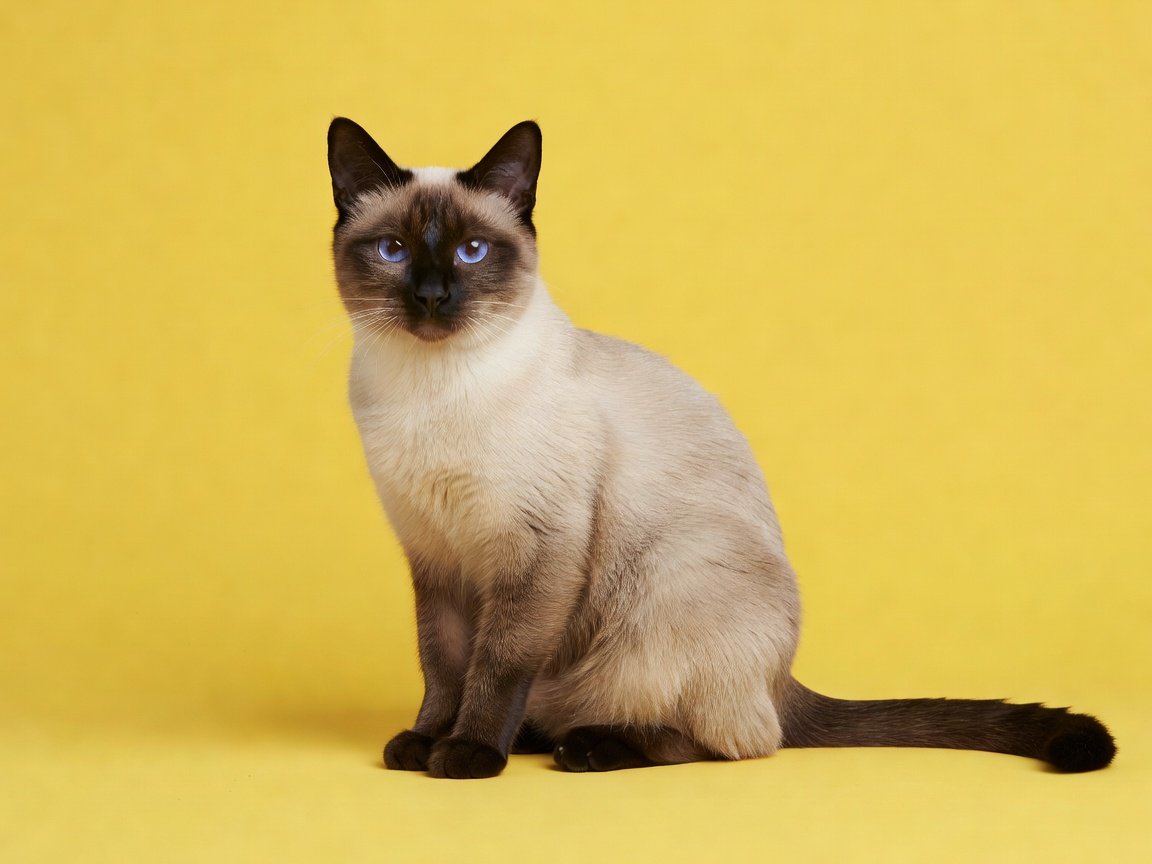
- How much noise can you tolerate? Some breeds, like the Siamese, are famously chatty. A neighbor through a thin wall may not love that.
- How much time do you want to spend grooming? Be honest. A long coat means regular brushing for the cat's whole life.
- Do you have kids, dogs, or other cats? Sturdy, tolerant cats generally cope better with chaos than sensitive ones.
- How much space do you have? Cats of any breed can thrive in apartments, but high-energy cats need vertical space and daily play.
A quick example
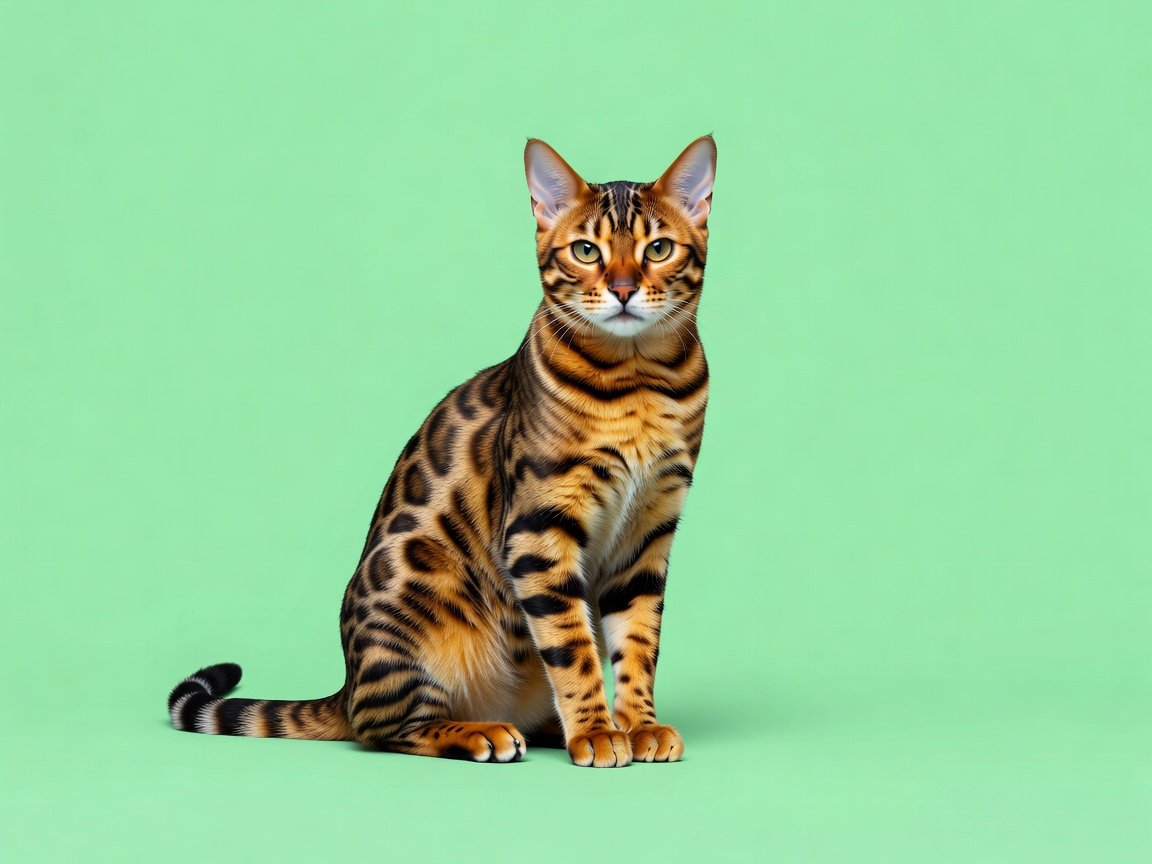
Imagine you work from an office four days a week, live in a one-bedroom apartment, and want a lap cat. A laid-back, medium-energy cat with a short or easy coat is a strong fit. A Bengal, which tends to be athletic and demanding, would likely be a frustrating match no matter how beautiful it looks.
Remember that breed is a tendency, not a guarantee
Breed descriptions describe averages. Individual personality is shaped by genetics, early handling, and socialization during the first weeks of life. A well-socialized kitten from any background is more likely to become a confident adult.
That is why meeting the actual cat matters so much. If you can spend time with a cat or its parents before you commit, you learn far more than any profile can tell you.
Write down your answers and keep them nearby as you read breed profiles. When a breed's description clashes with your list, believe your list.
The Best Cat Breeds for Beginners: Temperament First
Temperament is the biggest factor in whether a first cat feels easy or exhausting. These breeds are commonly described as good fits for newer owners, because they tend to be even-tempered and adaptable.
Ragdoll
Ragdolls are known for being gentle, people-oriented, and relaxed about handling. They often follow their owners from room to room. They have a semi-long coat that needs regular brushing, and they are generally indoor cats.
Birman
Birmans are typically sweet, social, and moderately playful. Their silky coat is long but tends to tangle less than many people expect, so grooming is manageable with a weekly routine.
British Shorthair
British Shorthairs are often calm and undemanding, enjoying company without constant attention. They are usually not big lap cats, but they are steady and good at entertaining themselves. Their dense coat sheds, especially seasonally.
Burmese
Burmese cats are commonly described as affectionate and playful well into adulthood. They want to be near people, so they suit homes where someone is around often.
Maine Coon
Maine Coons are often gentle and good with families, but they are large and their coat needs regular care. They can suit a beginner who is prepared for size, grooming, and food costs.
Breeds that are often tougher for beginners
Bengals, Abyssinians, and Savannah-type cats are usually very active and intelligent. They can be wonderful, but they may climb everything, invent their own games, and get destructive when under-stimulated. Siamese and related breeds are often highly vocal and attached to their people.
What to look for in any cat
Seek out a cat that approaches calmly, tolerates being touched, and recovers quickly from small noises. These traits predict an easier first year more reliably than a breed name does.
If you are comparing options, check the individual breed profiles on Whiskerwise for temperament, grooming, and health notes side by side.
Grooming and Activity: The Daily Reality
Grooming and energy are where the dream cat and the real cat most often part ways. Think of them as a daily time budget.
Coat length and care
- Short, dense coats (British Shorthair, American Shorthair) usually need a brush once or twice a week, more in shedding seasons.
- Semi-long coats (Ragdoll, Birman) often need brushing a few times a week to prevent mats, especially behind the ears, under the legs, and around the belly.
- Long, thick coats (Maine Coon, Persian) can need near-daily attention. Persians also tend to need regular face cleaning because of their flat facial structure.
- Very short, fine coats (Burmese, Siamese) are typically low-maintenance, though they still shed.
All cats shed to some extent. A good brush and a short routine make a big difference, and a tool like the FURminator deshedding brush can help with undercoat, used gently and never on mats.
Activity level
A useful rule: the more athletic and intelligent the breed, the more structured play it needs.
- Lower energy: British Shorthair, Ragdoll, Persian. They enjoy play, but in short bursts.
- Moderate: Birman, Burmese, many mixed-breed cats.
- High energy: Bengal, Abyssinian, Siamese types. Expect climbing, chasing, and a need for puzzles.
Practical ways to meet a cat's needs
- Schedule two short play sessions a day with a wand toy, ideally ending with a small meal or treat.
- Add vertical space, such as a sturdy cat tree or wall shelves.
- Rotate toys so they stay interesting.
- Provide scratching posts in the rooms where your cat spends time.
A bored cat will often create its own entertainment, such as at 3 a.m. on your bookshelf. Matching energy level to your lifestyle is the simplest way to prevent that.
Allergies and the Hypoallergenic Myth
If someone in your home sneezes around cats, this is the section to read slowly. The word hypoallergenic is used a lot in cat marketing, and it overpromises.
What actually causes cat allergies
The main trigger is generally a protein called Fel d 1, found in cat saliva and skin secretions. Cats spread it through grooming and it clings to fur, furniture, and dust. It is not the hair itself that is the problem, so a short coat or a low-shedding coat does not remove it.
Why "hypoallergenic breed" claims are shaky
Breeds often promoted as better for allergy sufferers include Siberians, Balinese, Devon Rex, and Sphynx. Some allergic people report fewer symptoms around certain cats, but there is no breed that is guaranteed allergen-free. Hairless cats like the Sphynx still produce the protein and often need regular bathing for skin oil. Reactions also vary between individual cats within the same breed.
Smarter steps if allergies are a concern
- Talk to an allergist first. They can confirm what you are reacting to and discuss options.
- Spend time with the specific cat before committing, ideally several visits. Reactions can build over time.
- Think about the home, not just the cat. Keep the cat out of the bedroom, use a HEPA air purifier, wash bedding regularly, and vacuum often.
- Consider a trial period or foster-to-adopt if the shelter offers it.
A note on honesty
Some people with mild allergies live comfortably with cats using these strategies, while others cannot. If someone in your home has asthma or severe reactions, get medical guidance before bringing a cat home. It is far kinder to a cat to find that out before adoption than after, when rehoming becomes the only option.
The takeaway: do not buy a cat on a hypoallergenic label alone. Test the real match, with the real person, in real conditions.
Adoption vs. Breeder: How to Decide
Both paths can lead to a wonderful cat. What matters is the quality and honesty of the source.
The case for adoption
Shelters and rescues are full of cats of every age and personality, including purebreds and mixed breeds. Advantages include:
- Known personality. Adult cats show you who they are. A staff member or foster caregiver can tell you if a cat is shy, bold, or good with dogs.
- Lower upfront cost. Adoption fees often include spay or neuter, initial vaccinations, and microchipping, though this varies by organization.
- A life saved. Adopting opens up space for another animal in need.
If you are a beginner, consider an adult cat. Adults are often calmer than kittens, and what you see is what you get.
When a breeder makes sense
If you want a specific breed's look, coat, or predictable traits, a responsible breeder can be a good choice. Good signs include:
- Health screening of breeding cats for known issues in that breed, for example heart screening in breeds prone to hypertrophic cardiomyopathy (HCM) and DNA testing where tests exist.
- Kittens raised in the home, socialized, and kept until at least about 12 weeks.
- A willingness to let you meet the mother and see where kittens live.
- A written contract and a promise to take the cat back at any point.
- Questions for you. Good breeders vet buyers.
Red flags
- Kittens available at any time, from multiple breeds
- Meeting in a parking lot or shipping with no visit
- No health records or vague answers
- Marketing terms like "teacup" or "rare colors" at inflated prices
Budget for the long term
Whatever route you choose, plan for routine vet care across the cat's life. A discount plan such as the Pet Assure Veterinary Discount Plan is one option some owners use for routine costs, but compare it with pet insurance and a savings fund, because they work differently.
If you cannot decide, visit a shelter first. You may leave with your cat, or at least a clearer idea of what you want.
Why Mixed-Breed Cats Are Great Too
Most cats in the world are not purebreds. In shelters and homes, the "domestic shorthair" or "domestic longhair" label covers a wonderful range of cats that suit beginners very well.
The benefits
- Variety in personality. Because the gene pool is broad, you can find a cat of nearly any temperament, from lap-loving couch potato to curious explorer.
- Often hardy. Mixed-breed cats may avoid some inherited problems common in tightly bred lines, although they can still develop health issues and no cat is risk-free.
- Easy to find. There is almost always a good candidate at a local shelter.
- Lower cost. Adoption fees are usually well below breeder prices.
How to choose a good mixed-breed cat
Since you cannot rely on breed descriptions, rely on observation:
- Spend time in a quiet room with the cat. Notice if it approaches, sniffs your hand, or relaxes.
- Ask staff about history. Was the cat in a home, or a stray? How does it react to handling, dogs, and children?
- Check energy level. A cat that bats at toys and climbs wants play. One that curls up near you may suit a quieter home.
- Think about age. Kittens are lively and need training. Adults and seniors are often calmer and easier for first-timers.
Setting up for success
Whatever cat you choose, a simple setup helps: a quiet starter room, a litter box, scratching posts, and hiding spots. Many owners like a low-dust litter such as Pretty Litter Cat Litter, but always introduce any change gradually. Accidents happen with new cats, so an enzymatic cleaner such as Live Pee Free Pet Odor Eliminator is handy to have on hand.
Ultimately, the best cat for you is the one whose personality fits your home. Sometimes that cat has a pedigree. Very often, it has a charming, unmatched mix of everything, waiting in a shelter kennel.
Helpful products to consider
Pretty Litter Cat Litter
Helpful pickA silica crystal litter that is designed to absorb urine and change color to flag changes in the litter box. A useful setup item for new owners who want a low-dust, lower-odor option while they learn their cat's habits.
PROS
- Crystal formula designed to control odor
- Color-changing feature can prompt you to notice litter box changes
- Lightweight compared with many clay litters
CONS
- Costs more than basic clay litter
- Some cats take time to accept a new texture
Pet Assure Veterinary Discount Plan
Helpful pickA membership-style discount plan for routine and unexpected vet visits at participating clinics. It is not insurance, so check that a clinic near you participates and read the terms before you enroll a new kitten or adult cat.
PROS
- Not tied to a breed or pre-existing condition screening
- Can help make routine care more predictable
CONS
- Works only at participating veterinary practices
- It is a discount plan, not insurance, so you still pay at the visit
FURminator Undercoat Deshedding Tool for Cats
Helpful pickA well-known deshedding brush designed to remove loose undercoat hair. Handy for medium and long-haired cats such as Ragdolls or Maine Coons, though gentle, short sessions work best and it should not be used on matted fur.
PROS
- Widely available and well known for shedding control
- Comes in sizes for different coat lengths
CONS
- Must be used gently to avoid irritating skin
- Not suitable for mats or tangles
Frequently asked questions
What is the easiest cat breed for a first-time owner?
There is no single easiest breed, but Ragdolls, Birmans, British Shorthairs, and Burmese are often recommended because they tend to be gentle and adaptable. Individual personality still varies, so meet the specific cat when you can. Many mixed-breed adult cats are equally easy.
Are there truly hypoallergenic cats?
No cat is guaranteed to be allergen-free. The main allergen, Fel d 1, is produced by all cats. Some people react less to certain breeds or individual cats, but results vary. Talk to an allergist and spend time with the actual cat before committing.
Is it better to adopt a kitten or an adult cat?
For beginners, an adult cat is often easier because its personality is already visible and it is usually calmer. Kittens are adorable but need supervision, training, and lots of play. Choose based on how much time and energy you can offer.
Do purebred cats have more health problems than mixed-breed cats?
Some purebred lines carry breed-specific risks, such as heart disease in certain breeds or kidney disease in Persians. Mixed-breed cats can avoid some of these, but they are not immune to illness. A responsible breeder who screens for known conditions helps reduce risk.
Should I get one cat or two?
Many cats do fine alone, especially if you are home often and provide play. Two cats can keep each other company if they are well matched, ideally introduced slowly or adopted as a bonded pair. Pairing is a personality question, not a rule.