Some links on this page are affiliate links. If you buy through them we may earn a commission at no extra cost to you. How we make money.
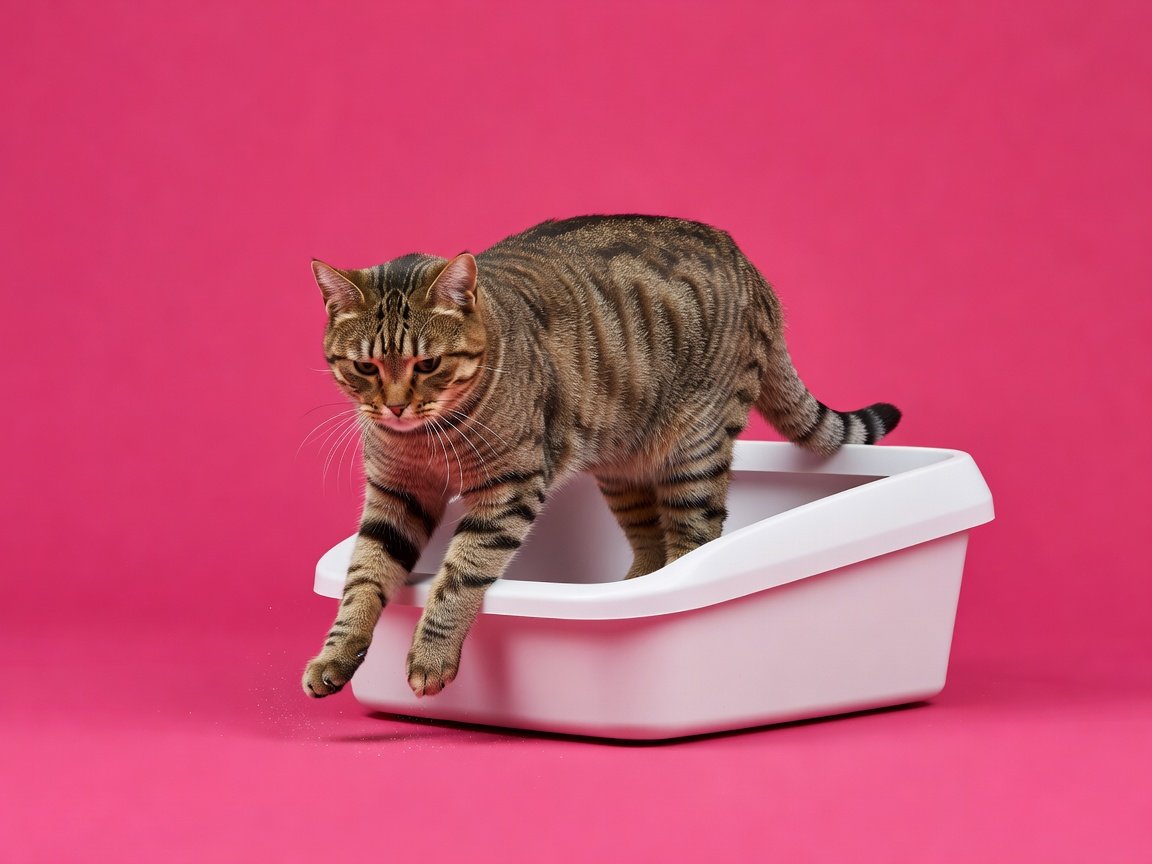
A cat peeing outside the litter box usually has a medical cause (like a urinary tract problem, crystals, or kidney disease), a stress trigger, or a litter box problem such as too few boxes, a dirty box, or a litter the cat dislikes. See a vet first, and treat a male cat straining to pee as an emergency.
Key takeaways
- See a vet first, since urinary infections, crystals, kidney disease, diabetes, and arthritis can all cause accidents.
- A male cat straining to pee with little or no urine is an emergency that needs immediate veterinary care.
- Follow the n+1 rule: one litter box per cat plus one extra, placed in different quiet locations.
- Scoop daily, use a large box with low sides, and offer an unscented litter to test your cat's preferences.
- Clean accidents with an enzymatic pet cleaner, avoid ammonia products, and never punish your cat.
Finding a puddle on the bath mat or the corner of the sofa is frustrating, but it is almost never revenge. A cat peeing outside the litter box is communicating that something hurts, something feels unsafe, or the box itself is not working.
The order matters. Rule out medical causes first, because a painful bladder can turn a reliable cat into one who avoids the box overnight. Then look at stress, litter box setup, and how you clean accidents.
This guide walks through each cause in that order, flags the situations that are true emergencies, and gives you a practical plan to get your cat back on track.
Start With the Vet: Medical Causes of Peeing Outside the Box
If your cat has suddenly started urinating outside the box, book a vet visit before you change anything else. Pain and illness are among the most common reasons a well-trained cat stops using the litter box.
Cats often learn to associate the box with the discomfort of peeing. If it hurts, they look for a different spot, and that spot may be a cool tile floor, a sink, or your bed.
Conditions your vet will want to rule out
- Urinary tract infection or bladder inflammation. Signs include frequent trips to the box, small amounts of urine, blood in the urine, crying, and licking the genital area. In cats, sterile bladder inflammation (often grouped under feline lower urinary tract disease) is quite common and is often linked to stress.
- Bladder crystals or stones. These can irritate the bladder and, in male cats especially, can block the urethra.
- Kidney disease. Cats with reduced kidney function tend to drink more and produce larger volumes of urine, which can overwhelm a box that used to be enough.
- Diabetes and hyperthyroidism. Both can increase thirst and urine output.
- Arthritis. An older cat with sore joints may struggle to climb into a high-sided box and may pee on the way there.
- Cognitive decline in seniors. Confusion about where the box is can show up as accidents.
What to expect at the appointment
Your vet will likely examine your cat and may recommend a urinalysis, and possibly bloodwork or imaging, depending on the findings. Ask your vet whether they want a fresh urine sample and how to collect one at home, as methods vary.
If cost is a concern, a veterinary discount plan can help with routine exams and diagnostics, though you should check how it works with your clinic first.
Do not skip this step even if your cat seems cheerful otherwise. Cats hide illness well, and a urinary problem caught early is much easier and cheaper to treat than one caught late.
Emergency Warning: A Male Cat Straining to Pee
Most litter box lapses can wait for a scheduled appointment. This one cannot.
If a male cat is straining in the litter box and little or no urine comes out, treat it as an emergency and go to a vet or emergency clinic immediately. A urethral blockage can become life-threatening within a day or two, and sometimes faster.
Signs that need immediate care
- Repeated trips to the box with straining and only drops of urine, or none
- Crying or yowling while trying to pee
- Peeing in unusual places in tiny amounts
- Constant licking of the genital area
- Hiding, restlessness, or a hunched posture
- Vomiting, loss of appetite, lethargy, or collapse
- A firm, painful abdomen when touched
A common mistake is assuming the cat is constipated. A cat posturing in the box and producing nothing can look similar for either problem, so do not wait to see if it passes.
Why males are at higher risk
Male cats have a much narrower urethra than females, so crystals, mucus plugs, or debris can lodge there and block urine from leaving the body. The bladder fills, toxins and potassium build up, and the cat becomes critically ill.
What to do right now
- Call your vet or the nearest emergency clinic and tell them it may be a urinary blockage.
- Do not try to press on the belly or treat at home.
- Transport your cat calmly in a carrier.
Female cats can also develop serious urinary problems, and any cat who is straining, bloody-urine producing, or acting very unwell should be seen promptly. But a blocked male cat is the situation where hours genuinely matter.
Treatment generally involves relieving the blockage and hospital care, and your vet will advise on prevention afterward, which may include diet changes and encouraging water intake.
Stress, Anxiety and Marking: When the Cause Is Emotional
Once your vet has ruled out a medical problem, or alongside treatment, look at your cat's emotional world. Cats are creatures of routine, and even changes that seem minor to you can unsettle them.
Common stress triggers
- A new pet, baby, roommate, or houseguest
- Moving, renovations, or rearranged furniture
- A neighborhood cat visible through a window or lurking at the door
- Conflict between cats in the same home
- A change in your schedule, such as returning to the office
- Boarding or a stressful vet visit
Spraying versus regular urination
These look different and have different fixes.
- Spraying (marking): The cat stands, often backs up to a vertical surface such as a wall, door, or curtain, quivers the tail, and releases a small amount. It is communication, and can occur in neutered cats of either sex.
- Inappropriate urination: The cat squats and leaves a larger puddle on a horizontal surface like a bed, rug, or laundry pile. This is more often linked to a medical issue or a problem with the box.
Knowing which one you are seeing helps your vet and behaviorist help you.
Calming a stressed cat
- Keep meals, play, and routines predictable.
- Add vertical space such as cat trees and shelves so cats can retreat and observe.
- Provide separate food, water, and resting areas in multi-cat homes.
- Block the view of outdoor cats with window film or by closing blinds.
- Schedule two short play sessions daily with a wand toy.
- Ask your vet about pheromone diffusers or, for persistent cases, behavior support.
Never punish your cat or rub their nose in an accident. Punishment raises stress, and a stressed cat is more likely to avoid the box or hide to pee. If you catch your cat in the act, calmly interrupt without scolding and guide them to a box.
Litter Box Setup: The n+1 Rule, Size and Location
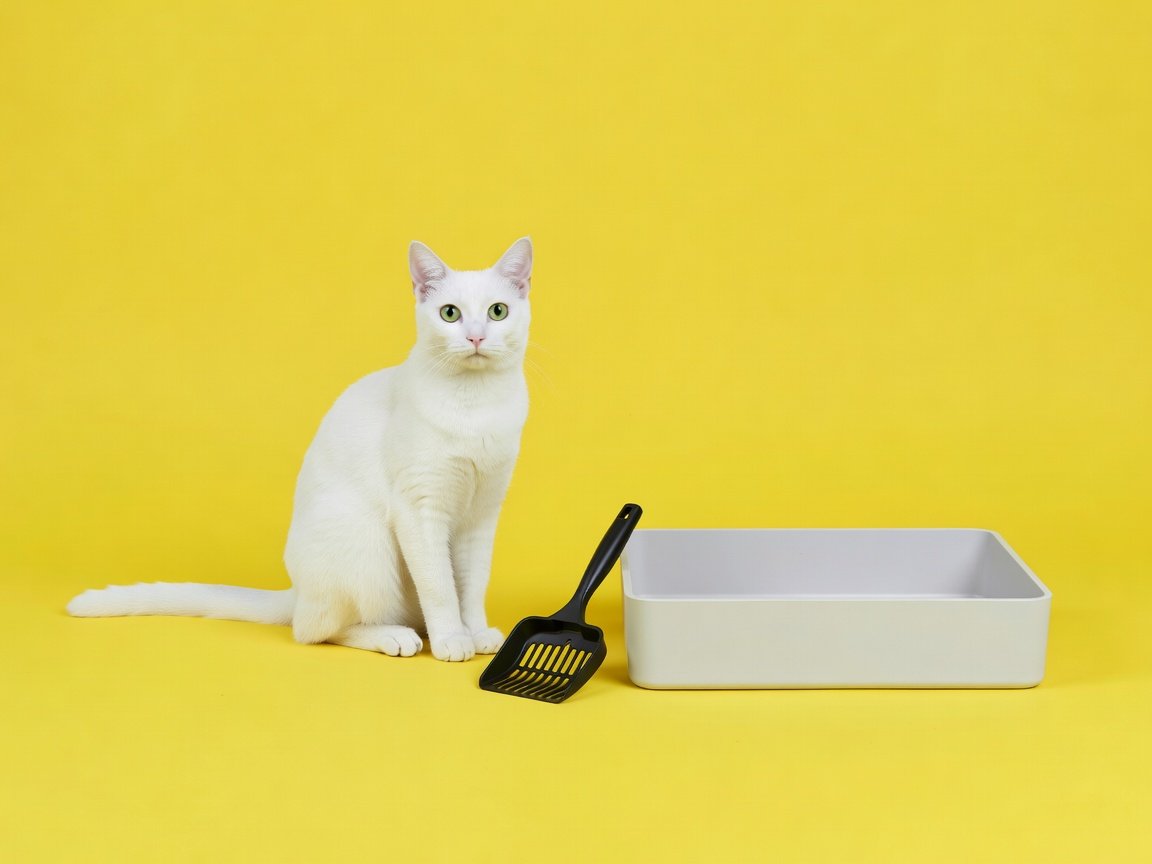
Many accidents come down to simple logistics. The classic guideline from cat behavior experts is n+1: one litter box per cat, plus one extra. For one cat, that means two boxes. For three cats, four.
The extra box matters because cats may refuse to share, or may be ambushed or blocked by another cat on the way. Boxes also need to be in different places, not lined up side by side. Two boxes touching in a corner function as one big box in a cat's mind.
Size
A widely used rule is a box about 1.5 times the length of your cat from nose to base of tail. Many standard boxes are too small, especially for larger breeds like Maine Coons or for seniors who need room to turn around. A large under-bed storage tub with the sides trimmed down is a popular budget alternative.
Covered or uncovered
Hoods hold in odor, which can be unpleasant for a cat's sensitive nose, and can make a box feel like a trap if another cat can corner them inside. If your cat is having accidents, try at least one uncovered box and see whether they prefer it.
Location
Good locations are quiet, easy to reach, and have more than one exit route. Avoid:
- Next to a loud washer, dryer, or furnace
- Beside the food and water bowls
- Dead-end closets where a cat can be cornered
- Basements or far floors that your cat has to travel to reach
Put one box on each level of your home.
Access for older cats
If your cat is aging or arthritic, choose a box with a low entry. A shallow tray or a box with a cut-out front can be the difference between a cat who makes it and one who does not.
Change one thing at a time, and leave the old setup in place while you test the new one so your cat can choose.
Litter Type, Depth and Cleanliness
Cats have strong preferences about what they stand on. A cat that suddenly dislikes the box is often reacting to a change in litter, a stronger smell, or simply a box that is not clean enough.
Scooping and cleaning routine
- Scoop at least once a day, and twice if you can. Many cats refuse a box they consider dirty.
- Fully empty and wash the box regularly with mild, unscented soap and warm water. Avoid strong-smelling cleaners and ammonia-based products, since ammonia smells like urine and can encourage marking.
- Replace old plastic boxes if they hold scratches and odors that are hard to remove.
Choosing a litter
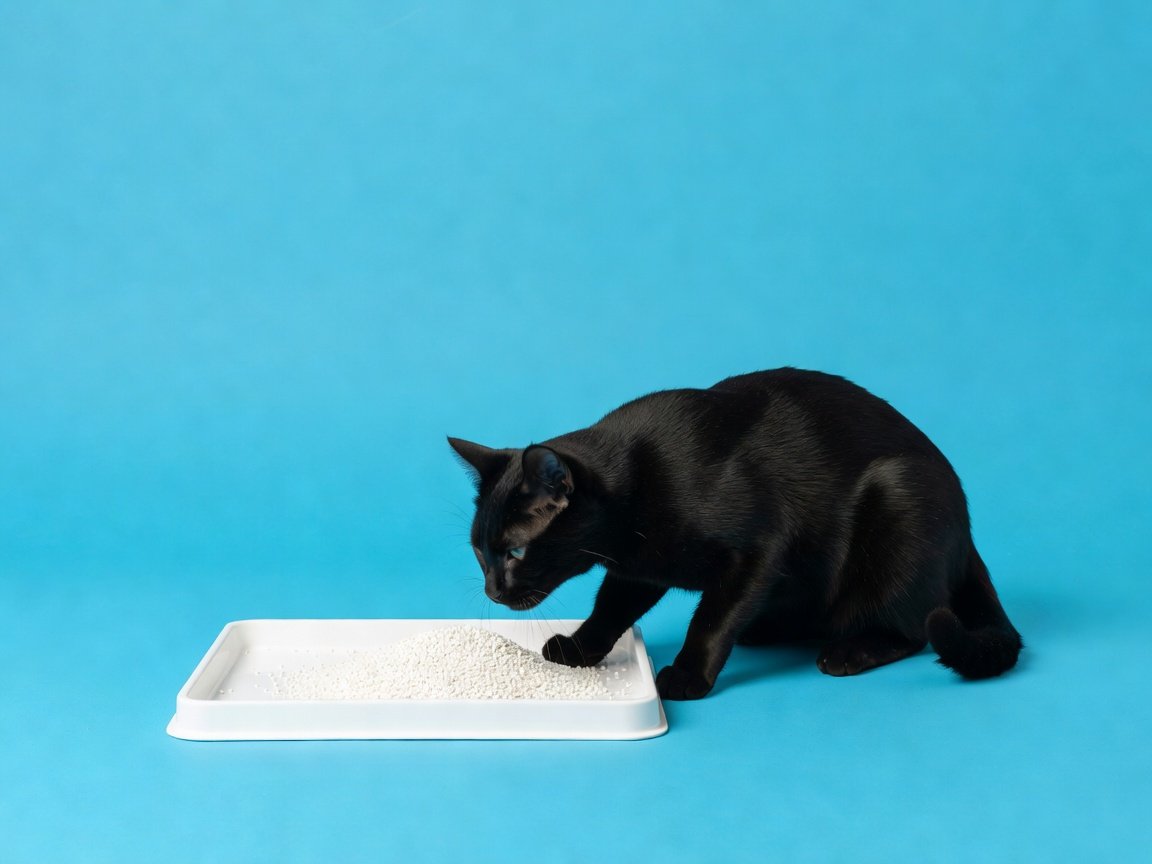
Most cats prefer a soft, fine-grained, unscented litter that feels like sand. Heavily perfumed litters, crystals with a rough texture, or pellets can put some cats off. Others do well with crystal litter, so it comes down to individual preference.
The easiest way to learn what your cat likes is a cafeteria test: set out two or three boxes side by side with different litters, and watch which gets used. A product like Dr. Elsey's Ultra (unscented clumping clay) is a reasonable baseline option to compare against what you use now.
If you do switch, transition gradually by mixing the new litter with the old over a week or so rather than changing overnight.
Depth
A depth of roughly two to three inches suits many cats, though some prefer shallower litter. Too little and urine reaches the bottom of the box, too much and some cats feel unstable.
Liners and extras
Some cats dislike box liners that catch their claws, and automatic self-cleaning boxes can frighten sensitive cats with noise and movement. If accidents started after a new box was introduced, put the old one back.
Watch for patterns
Note where your cat goes. Soft surfaces like beds and rugs suggest the box feels uncomfortable. Smooth surfaces like sinks and tile can point to pain or a preference for a cool, hard texture.
Clean Accidents Properly With an Enzymatic Cleaner
How you clean an accident can decide whether it happens again. Cats return to spots that still smell like urine, even when you cannot detect any odor yourself. Their sense of smell is far stronger than ours.
Why regular cleaners fail
Standard household cleaners and especially ammonia-based products may mask the smell for you while leaving the scent compounds that cats detect. Steam cleaning can also set odors into fabric. Even if the stain disappears, the spot can keep attracting your cat.
What works
An enzymatic or odor-eliminating pet cleaner is designed to break down the components of urine rather than cover them. Products such as Live Pee Free Pet Odor Eliminator are made for this purpose. Always follow the directions on the label and test a hidden patch of fabric first.
Step-by-step cleanup
- Blot fresh urine with paper towels. Press, do not rub.
- Soak the area with the enzymatic cleaner so it reaches as deep as the urine did. Pet urine in carpet often travels into the padding.
- Let it work for the time the label recommends, and keep it damp if directed.
- Blot again and let air dry. Do not walk over it or let your cat investigate.
- Repeat if you still smell it or your cat keeps returning.
A small blacklight can help you find old, hidden spots, though it is not perfect and can highlight other stains as well.
Prevent repeat visits
- Block access to the area for a few weeks if possible.
- Place a litter box, a food bowl, or a cat bed on the spot once it is clean. Cats generally avoid soiling where they eat or sleep.
- Wash bedding and washable items on a hot cycle with a pet-safe enzymatic laundry additive, if the label permits.
Cleaning will not fix an underlying medical or stress problem, but it removes the invitation to go back and repeat the behavior.
A Step-by-Step Plan to Get Your Cat Back on Track
When you are surrounded by accidents, it helps to work through a clear order of operations rather than changing everything at once.
Step 1: Call your vet
Book an exam and explain the pattern: when it started, how often, where, and what the urine looks like. Mention any changes in thirst, appetite, weight, or energy. If your male cat is straining or producing no urine, skip this and go straight to emergency care.
Step 2: Keep a simple log
For a week, write down:
- Time and location of each accident
- Whether it was spraying or a puddle
- Anything unusual that day, such as visitors, noise, or schedule changes
- Number of boxes used and how clean they were
Patterns often jump out. Accidents only when you are away might signal boredom or anxiety. Accidents near a window point to outdoor cats.
Step 3: Fix the basics
- Add boxes to reach n+1, spread across the home
- Scoop daily and wash regularly
- Offer a larger, uncovered box with low sides
- Try an unscented litter in a second box
Step 4: Clean accidents with an enzymatic cleaner
Remove the scent fully, then make the spot unattractive or give it a new purpose.
Step 5: Reduce stress
Keep routines steady, add vertical space, and play daily. Speak with your vet about calming aids if needed.
Step 6: Be patient and consistent
Retraining can take weeks. Praise or offer a small treat when your cat uses the box, but never punish accidents.
When to ask for more help
If your cat keeps having accidents after a clean bill of health and a solid setup, ask your vet about a referral to a veterinary behaviorist. Persistent or complex cases, especially in multi-cat homes, sometimes need a tailored plan.
Supporting good hydration and a diet your vet recommends can also matter for urinary health. Fresh options such as Nom Nom Fresh Cat Food are one way some owners add moisture to meals, but any diet change, especially for cats with urinary conditions, should be discussed with your vet first.
Helpful products to consider
Live Pee Free Pet Odor Eliminator
Helpful pickAn enzymatic-style pet odor remover designed for urine accidents on carpet, upholstery and hard surfaces. Thorough removal of the scent is key to stopping repeat marking in the same spot. Always spot test on fabric first and follow the label directions.
PROS
- Made specifically for pet urine odors
- Useful on several household surfaces
- Helps remove the scent cats return to
CONS
- Old, deep-set stains may need repeat treatment
- Fabrics should be spot tested first
Dr. Elsey's Premium Clumping Cat Litter Ultra (Unscented)
Helpful pickA widely available unscented clumping clay litter. Unscented, fine-textured litters are a common choice when you want to test whether a cat objects to fragrance or a rougher texture. Offering it in a second box is an easy low-cost experiment.
PROS
- Unscented option for sensitive noses
- Clumping makes daily scooping easier
- Easy to find and easy to compare against your current litter
CONS
- Clay litter can be dusty for some households
- Not every cat will prefer it
Pet Assure Veterinary Discount Plan
Helpful pickA veterinary discount plan (not insurance) that can help make exams and diagnostics such as urinalysis more manageable. Check that a vet near you participates and read the plan terms before enrolling, since coverage and savings vary.
PROS
- Not insurance, so no claims process to file
- May help with the cost of exams and tests
CONS
- Participation depends on your local vets
- You still pay at the time of the visit
Frequently asked questions
Is my cat peeing outside the litter box on purpose to get back at me?
No. Cats do not act out of spite. Peeing outside the box signals a problem, most often a medical issue, stress, or a litter box that does not suit them. Punishing a cat tends to increase anxiety and make the problem worse, so look for the cause instead.
How quickly should I see a vet for litter box accidents?
Book a prompt appointment for any sudden change, since pain and illness are common causes. Go immediately to a vet or emergency clinic if your cat, especially a male, is straining with little or no urine, crying, vomiting, or seems lethargic. That can be a life-threatening blockage.
How many litter boxes does my cat need?
The widely recommended guideline is one box per cat plus one extra, so two boxes for a single cat. Spread them across different rooms and floors rather than lining them up together, because side-by-side boxes can function as a single box to your cat.
Why does my cat pee on soft things like beds and laundry?
Soft surfaces can absorb scent and feel comfortable, and they may be chosen if the box feels painful, dirty, or stressful. It can point to a urinary problem or an aversion to the litter or box. A vet exam is the first step, followed by checking your box setup.
Will a regular cleaner remove cat urine smell?
Often it will not fully work. Many household cleaners mask the odor for you while leaving scent compounds your cat can still detect, and ammonia-based products can smell like urine. An enzymatic pet odor remover is designed to break down urine residue, which helps discourage repeat accidents in the same spot.